what is hospital ?

A hospital is a health care institution providing patient treatment by specialized staff and equipment. In accord with the original meaning of the word, hospitals were originally "places of hospitality", and this meaning is still preserved in the names of some institutions such as the Royal Hospital Chelsea.

There are over 17,000 hospitals in the world.


Search This Blog

Showing posts with label Hepatitis B. Show all posts

August 5, 2012

AIDS Definition Defference between HIV and AIDS Symptoms Transmitted And Prevention

Definition of AIDS:

Acquired immune deficiency syndrome, or AIDS, is a condition that describes an advanced state of HIV infection. With AIDS, the virus has progressed, causing significant loss of white blood cells (CD4 cells) or infections that result from immune system damage. 

Difference between HIV and AIDS:
  • HIV is the virus which attacks the T-cells in the immune system.But AIDS is the syndrome which appears in advanced stages of HIV infection. 
  • HIV is a virus. But AIDS is a medical condition. 
  • HIV testing can identify infection in the early stages. This allows the patient to use prophylactic (preventive) drugs which will slow the rate at which the virus replicates, delaying the onset of AIDS. But AIDS patients still have the HIV virus and are still infectious. Someone with AIDS can pass HIV to someone else. 
Symptoms:

Symptoms of early HIV infection may include: 
  • Fever 
  • Chills 
  • Joint pain 
  • Muscle ache 
  • Sore throat 
  • Sweats (particularly at night) 
  • Enlarged glands 
  • A red rash 
  • Tiredness 
  • Weakness 
  • Weight loss 
Signs and symptoms of late-stage HIV infection may include:
  • Blurred vision 
  • Diarrhea, which is usually persistent or chronic 
  • Dry cough 
  • Fever of above 37C (100F) lasting for weeks 
  • Night sweats 
  • Permanent tiredness 
  • Shortness of breath 
  • Swollen glands lasting for weeks 
  • Weight loss 
  • White spots on the tongue or mouth 
Transmitted:

HIV can be transmitted through:
  • Sexual transmission: It can happen when there is contact with infected sexual secretions (rectal, genital or oral mucous membranes). This can happen while having unprotected sex, including vaginal, oral and anal sex or sharing sex toys with someone infected with HIV. 
  • Perinatal transmission: The mother can pass the infection on to her child during childbirth, pregnancy, and also through breastfeeding. 
  • Blood transmission: The risk of transmitting HIV through blood transfusion is nowadays extremely low in developed countries, thanks to meticulous screening and precautions. Among drug users, sharing and reusing syringes contaminated with HIV-infected blood is extremely hazardous.

The virus CANNOT be transmitted from:
  • Shaking hands 
  • Hugging 
  • Casual kissing 
  • Sneezing 
  • Touching unbroken skin 
  • Using the same toilet 
  • Sharing towels 
  • Sharing cutlery 
  • Mouth-to-mouth resuscitation 
Prevention: 

  • Protected sex: Having sex without a condom can put a person at risk of being infected with HIV and other sexually transmitted infections (STIs). HIV can be spread by having unprotected sex (vaginal, oral and anal sex). It can also be caught from sharing sex toys with someone infected with HIV. 
  • Drug abuse nd neeadle sharing: Intravenous drug use is an important factor in HIV transmission in developed countries. Sharing needles can expose users to HIV and other viruses, such as hepatitis C.
  • Body fluid exposure: Exposure to HIV can be controlled by employing precautions to reduce the risk of exposure to contaminated blood. At all times, health care workers should use barriers (gloves, masks, protective eyewear, shields, and gowns). Frequent and thorough washing of the skin immediately after being contaminated with blood or other bodily fluids can reduce the chance of infection. 
  • Pregnancy: Anti-HIV medicines can harm the unborn child. But an effective treatment plan can prevent HIV transmission from mother to baby. Precautions have to be taken to protect the baby´s health. Delivery through caesarean section may be necessary. Breastfeeding may have to give way to bottle-feeding if the mother is infected. A study by scientists from Columbia University, New York, found that breastfeeding for 6+ months with antiretroviral therapy could help reduce mother-to-child HIV transmission as well as improve chances of infant's survival. 
  • Education. Health education is an important factor in reducing risky behavior. 

Gastroenteritis Definition Cause Symptoms Treatment Prevention And Vaccination

Definition:
Gastroenteritis is a medical condition characterized by inflammation of the gastrointestinal tract that involves both the stomach and the small intestine.

Causes:

Gastroenteritis has many causes. Viruses and bacteria are the most common.Gastroenteritis caused by viruses may last 1-2 days. On the other hand, bacterial cases can last a week or more.

Bacteria: These are the most common bacterial causes:
  • Escherichia coli - Traveler’s diarrhea, food poisoning, dysentery, colitis, or uremic syndrome.
  • Salmonella - Typhoid fever; handling poultry or reptiles such as turtles that carry the germs.
  • Campylobacter - Undercooked meat, unpasteurized milk.
  • Shigella - Dysentery
Viruses: Viral outbreaks (30-40% of cases in children) can spread rapidly through close contact among children in day care and schools. Poor handwashing habits can spread viruses. Common viral causes include the following:
  • Adenoviruses
  • Rotaviruses
  • Caliciviruses
  • Astroviruses
  • Norovirus 
Parasites and protozoans: These tiny organisms are less frequently responsible for intestinal irritation.May pick up one of these by drinking contaminated water. Swimming pools are common places to come in contact with these parasites. Common parasites include these:
  • Giardia - The most frequent cause of waterborne diarrhea causing giardiasis.
  • Cryptosporidium - Affects mostly people with weakened immune systems, causes watery diarrhea
Other common causes: Chemical toxins most often found in seafood, food allergies, heavy metals, antibiotics, and other medications also may be responsible for bouts of gastroenteritis that are not infectious to others.

Medications:
  • Aspirin
  • Nonsteroidal anti-inflammatory medicines (such as Motrin or Advil)
  • Antibiotics
  • Caffeine
  • Steroids - Excessive use or a sudden change in frequency or dosage
  • Laxatives
Symptoms:
  • Abdominal gas, bloating or belching
  • Abdominal pain or cramps
  • Blood-streaked stools
  • Flu-like symptoms (fatigue, fever, sore throat, headache, cough, aches and pains)
  • Nausea, which may be described as feelings of wooziness, queasiness, retching, sea-sickness, car-sickness, or an upset stomach
  • Vomiting including multiple episodes
  • Watery diarrhea including multiple episodes
  • Weakness

Treatment:

Treatment generally involves a multifaceted plan that addresses the cause; minimizes the discomfort of nausea, vomiting, and diarrhea; and decreases the risk of dehydration.

  • Not eating solid foods to rest the stomach and intestines until symptoms have passed.
  • Drinking plenty of fluids (water or rehydrating fluid, such as Pedialyte) to ensure adequate hydration.
  • In some cases, medications are used to treat gastroenteritis. Antibiotics may be prescribed when gastroenteritis is caused by a bacterial infection, such as in bacterial food poisoning due to Shigella,Salmonella, or Campylobacter infection.

Treatment of severe gastroenteritis that does not resolve or leads to dehydration may require hospitalization and rehydration with intravenous fluids.

Prevention:
  • A supply of easily accessible uncontaminated water and good sanitation practices are important for reducing rates of infection and clinically significant gastroenteritis.
  • Personal measures (such as hand washing) have been found to decrease incidence and prevalence rates of gastroenteritis in both the developing and developed world by as much as 30%. Alcohol-based gels may also be effective.
  • Breastfeeding is important, especially in places with poor hygiene, as is improvement of hygiene generally.
  • Breast milk reduces both the frequency of infections and their duration.
  • Avoiding contaminated food or drink should also be effective.
Vaccination:

Due to both its effectiveness and safety, in 2009 the World Health Organization recommended that the rotavirus vaccine be offered to all children globally Two commercial rotavirus vaccines exist and several more are in development. In Africa and Asia these vaccines reduced severe disease among infants and countries that have put in place national immunization programs have seen a decline in the rates and severity of disease.This vaccine may also prevent illness in non-vaccinated children by reducing the number of circulating infections.Since 2000, the implementation of a rotavirus vaccination program in the United States has substantially decreased the number of cases of diarrhea by as much as 80 percent. The first dose of vaccine should be given to infants between 6 and 15 weeks of age.The oral cholera vaccine has been found to be 50–60% effective over 2 years.

June 8, 2012

Hepatitis B Definition Symptoms Diagnosis Treatment And Prevention

Definition:

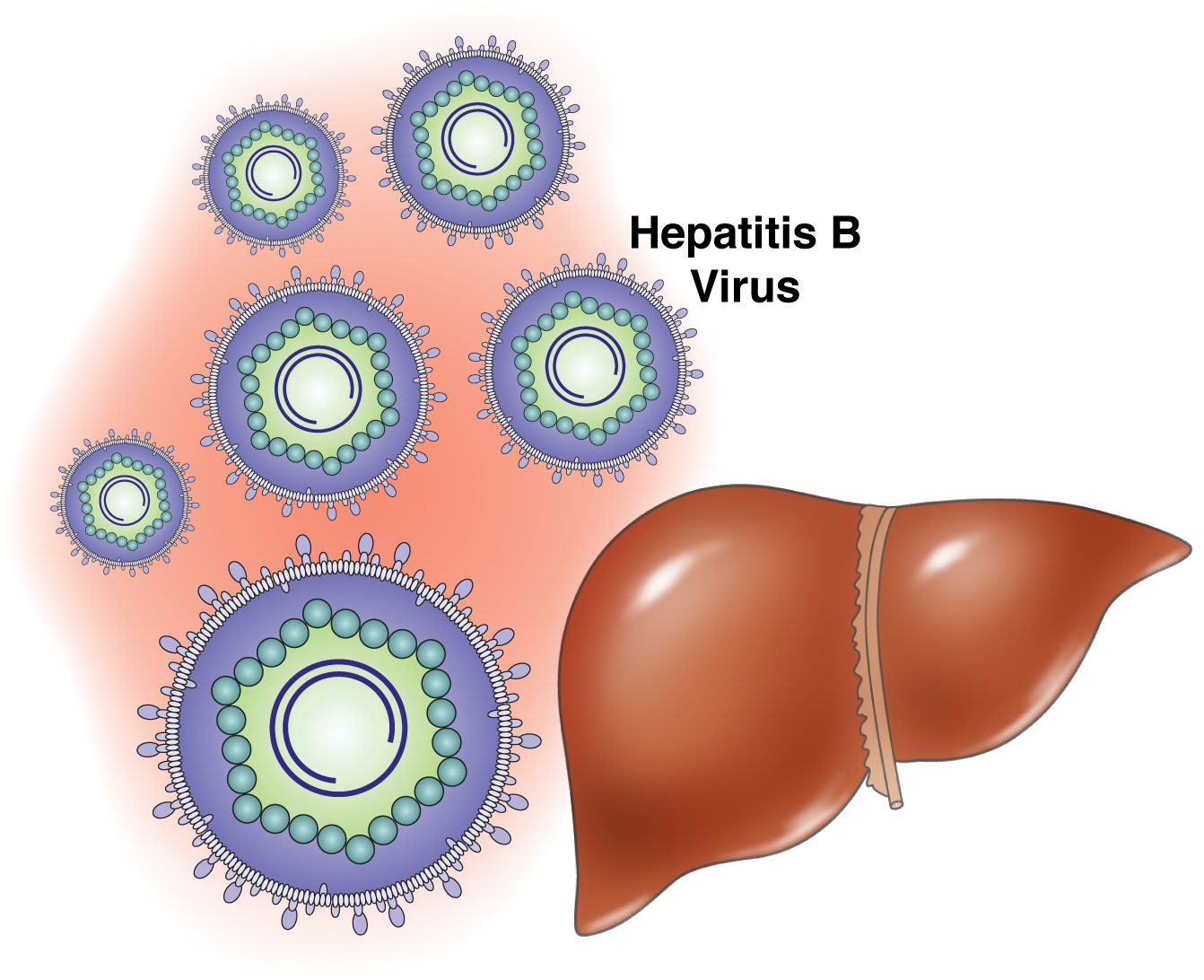
Hepatitis B is an infectious liver disease. It is caused by the hepatitis B virus (HBV). Infections of hepatitis B occur only if the virus is able to enter the blood stream and reach the liver. Once in the liver, the virus reproduces and releases large numbers of new viruses into the bloodstream.

 White blood cells, which protect the body from infections, attack and destroy the infected liver cells. The body also produces antibodies which circulate in the blood to destroy the virus and protect against future infections of hepatitis B. During the infection and recovery process, the liver may not function normally causing illness that affects the entire body.

Hepatitis B is the most common serious liver infection in the world. Worldwide, about 350 million people are chronic carriers of HBV, of whom, more than 620,000 die from liver-related disease each year. 

This infection has two possible phases;
  • Acute  hepatitis B :
Acute hepatitis B refers to newly acquired infections. Affected individuals notice symptoms approximately 1 to 4 months after exposure to the virus. In most people with acute hepatitis, symptoms resolve over weeks to months and they are cured of the infection. However, a small number of people develop a very severe, life-threatening form of acute hepatitis called fulminant hepatitis. 
  •  Chronic  hepatitis B 
Chronic hepatitis B is an infection with HBV that lasts longer than 6 months. Once the infection becomes chronic, it may never go away completely.

Sign And Symptoms:
  • A sudden onset of fever
  • Extreme tiredness
  • Nausea
  • Lack of appetite
  • Abdominal pain (stomach pain)
  • Yellowing of the skin or whites of the eyes (jaundice).
Hepatitis B  is transmitted as follows:
  • Sexual contact:
It may become infected if unprotected sexual contact with an infected partner whose blood, saliva, semen or vaginal secretions enter in body.
  • Sharing of needles:
 HBV is easily transmitted through needles and syringes contaminated with infected blood. Sharing intravenous (IV) drug paraphernalia puts at high risk of hepatitis B.
  • Accidental needle sticks:
 Hepatitis B is a concern for health care workers and anyone else who comes in contact with human blood.
  • Mother to child.
 Pregnant women infected with HBV can pass the virus to their babies during child birth.
  • Being on hemodialysis
  • Blood transfusions
Diagnosis:

 Diagnosis of hepatitis B virus (HBV) infection was revolutionized by the discovery of Australia antigen, now called hepatitis B surface antigen (HBsAg).

The following tests are done to identify and monitor liver damage from hepatitis B:
  • Albumin level
  • Liver function tests
  • Prothrombin time
  • Antibody to HBsAg (Anti-HBs) -- a positive result means  hepatitis B in the past, or have received a hepatitis B vaccine.
  • Antibody to hepatitis B core antigen (Anti-HBc) -- a positive result means recent infection or an infection in the past.
  • Hepatitis B surface antigen (HBsAg) -- a positive result means  an active infection
Treatment:

Acute hepatitis needs no treatment other than careful monitoring of liver and other body functions with blood tests. You should get plenty of bed rest, drink plenty of fluids, and eat healthy foods.In the rare case that you develop liver failure, you may need a liver transplant. A liver transplant is the only cure in some cases of liver failure.

Chronic hepatitis may be treated with antiviral medications or a medication called peginterferon. These medications can decrease or remove hepatitis B from the blood and reduce the risk of cirrhosis and liver cancer.
  • Liver transplantation is used to treat severe, chronic hepatitis B liver disease.
  • Patients with chronic hepatitis should avoid alcohol and should always check with their doctor or nurse before taking any over-the-counter medications or herbal supplements. This even includes medications such as acetaminophen, aspirin, or ibuprofen. 
Prevention 

  • Getting enough calories.
 Many people with hepatitis B -- especially those taking medication -- get nauseous. In order to get enough calories, try eating several small meals throughout the day, instead of three large meals a day. If feel sick in the morning, try eating some crackers or dry toast before getting out of bed. It may also help to drink lemon water or have a lemon drop.
 
  • Getting plenty of rest.
     
  • Drinking plenty of fluids.
 Try to drink at least 10 to 16 glasses a day of water, clear juices, or other drinks that do not have caffeine in them.
 
  • Avoiding medicines that can harm the liver.
 Talk with healthcare provider about all of the medicines  including prescription and over-the-counter medicines, as well as vitamins and herbal remedies.
 
  • Avoiding alcohol.
 Alcohol poisons for liver and can cause even more damage to the cells that are already fighting the hepatitis B virus. The exact amount of alcohol that will harm the liver isn't known. Therefore, it's generally recommended that people with hepatitis B avoid alcohol completely.
 
  • Exercising regularly.
 Light-to-moderate exercise for 30 minutes a day. Walking is one example of an activity that can provide light-to-moderate exercise.
 
There are also things that a person with chronic hepatitis B can do to help stay healthy both during and after treatment. Some of these things include:
  • Avoiding unsafe sex
  • Avoiding sharing needles
  • Asking doctor about tests to check for liver damage

  • Learning how to protect from other hepatitis viruses
  • Joining a support group for people with chronic hepatitis B.
Complication:
  •  Hepatocellular carcinoma
  • Chronic persistent hepatitis
  • Cirrhosis
  • Fulminant hepatitis, which can lead to liver failure and possibly death.
About Hepatitis B Vaccination:

Hepatitis B vaccine is a vaccine developed for the prevention of hepatitis B virus infection. The vaccine contains one of the viral envelope proteins, hepatitis B surface antigen (HBsAg). It is produced by yeast cells, into which the genetic code for HBsAg has been inserted A course of three (3) vaccine injections are given with the second injection at least one month after the first dose and the third injection given six months after the first dose Afterward an immune system antibody to HBsAg is established in the blood stream. The antibody is known as anti-HBsAg. This antibody and immune system memory then provide immunity to hepatitis B infection.

 The first vaccine became available in 1981.A range of vaccines are available in the market. Presently recombinant DNA vaccines are available, which means they are produced by inserting the gene for HBV into common baker's yeast where it is grown, harvested, and purified. HBV infection cannot occur from receiving hepatitis B vaccine. The common brands available are Engerix-B (GSK), Elovac B (Human Biologicals Institute, A division of Indian Immunologicals Limited), Genevac B (Serum Institute), Shanvac B etc. These vaccines are given intramuscularly.

The hepatitis B vaccination is recommended for:
  • Those who may be exposed to blood or blood products through their occupation, e.g. healthcare workers, ambulance crews, carers of high-risk or known patients, and morticians.
  • Travellers who intend to stay for long periods in high-prevalence areas.
  • Those considered to be at risk of hepatitis B through their planned activities, e.g. volunteers undertaking manual work, taking part in contact sports, involvement with casual sex.
  • Those individuals who change sexual partners frequently.
  • Travellers with pre-existing medical conditions, who may be at higher risk of requiring medical procedures abroad, e.g. pregnancy. (Pregnancy is not a contra-indication to immunisation.)
  • Injecting drug users.
  • Partners and children of injecting drug users.
  • Non-injecting drug users who live with injecting drug users.
  • Individuals in residential accommodation for those with learning difficulties.
  • People travelling to or going to reside in areas of high or intermediate prevalence..
  • Haemophiliacs requiring treatment and those who are receiving regular blood or blood products.
  • Prisoners and prison officers.
  • Family contacts of those with chronic hepatitis B infection.
  • Those patients with chronic kidney disease or chronic liver disease.
  • All pregnant women should be screened for hepatitis B virus (HBV)
  • If positive, the baby should receive vaccination soon after birth.
  • Babies born to highly infectious mothers should also receive hepatitis B immunoglobulin.
Related Posts Plugin for WordPress, Blogger...